Glenbrook Club Turns 100 This Year. You'd Barely Know It.
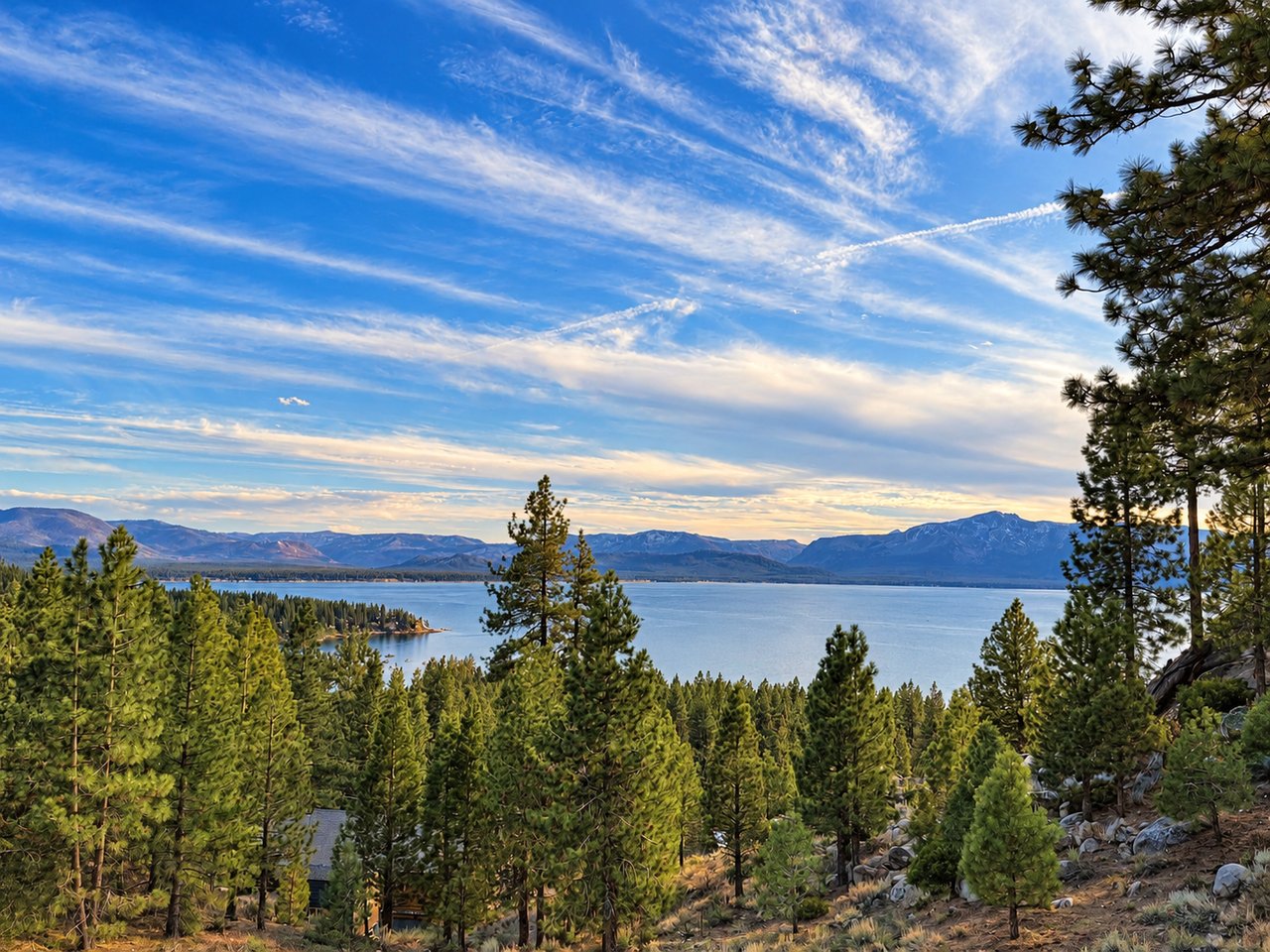
The nine-hole course tucked between the boulders and the pines at Glenbrook opened for play in 1926, the same year radio first carried a World Series broadcast coast to coast, and 2026 marks its centennial year.
The centennial year is also an opportunity to see how Glenbrook Club is investing in the course and bringing members together.
According to a general manager search the club recently ran to fill its top operations role, Glenbrook Club is marking its centennial year with several capital projects, fundraising, and social celebrations for members across the year.
Together, those plans pair long-term investment in the club with opportunities for members to celebrate the milestone.
The club has already completed a maintenance building for the golf course carrying a price tag of $1.1 million, adding office space, an employee breakroom, and extra clubhouse storage. A design firm was engaged in 2025 to draw up a new irrigation plan for the course itself, the kind of unglamorous groundwork that never shows up in a listing photo but determines whether century-old fairways survive another dry Sierra summer. The club also has a completed twenty-year capital asset evaluation on file, mapping out replacement costs for everything from cart paths to clubhouse fixtures well past this centennial season.
If you're a member walking the ninth hole this fall, this is the version of history you're actually standing in. Not a plaque. A drainage plan.
The number worth sitting with is 1926, because almost nothing else in Nevada golf goes back that far. The Glenbrook course holds the distinction of being the state's oldest, a fact that outlives most of what people associate with Tahoe's golf reputation, including courses built during the resort boom of the 1960s and 1990s that now read as the area's old guard.
The land under that golf course carries even older history. Glenbrook's story starts in 1861, when Captain Augustus Pray built a sawmill at the site, feeding timber to the Comstock Lode's mining operations across the state line. By 1875 the settlement had four sawmills running, along with a store, a bowling alley, and two hotels, a working timber town rather than a resort. Duane Bliss took over regional lumber operations in the early 1870s through the Carson and Tahoe Lumber and Fluming Company, which at its peak controlled more than fifty thousand acres of timberland and, according to Nevada's official historical marker for the site, pulled 750 million board feet of lumber and 500,000 cords of wood from the Tahoe basin before logging wound down by the century's end.
The pivot from mill town to retreat happened fast. The Glenbrook Inn opened in 1907, and the guest book that survives from that era carries a strange collection of signatures: Mark Twain, Ulysses S. Grant, Leland Stanford, Clark Gable, and Rita Hayworth all passed through at one point or another. Two decades later the golf course arrived, and by 1948 Ben Hogan himself played an exhibition round on it, years before his major championship run redefined the sport.
None of that history is new information to anyone who has lived in Glenbrook for a season or two. It helps explain the club's approach to its own hundredth year: projects and member gatherings that fit a community long shaped by a quieter retreat culture.
For members planning around the centennial year, a few practical notes are worth having straight, partly because the club's own published information doesn't fully agree with itself.
For a community with a 2020 census population of 315, a golf season calendar isn't trivia. It's most of what governs the summer.
While the club has spent its centennial year on irrigation lines, the Nevada Department of Transportation has been just as busy on the highway that runs past it. The second and final season of a two-year repaving project along Highway 50 began in late April 2026, ultimately resurfacing more than thirteen miles between the Nevada-California border at Stateline and the Spooner Summit trailhead. Guardrail removal and replacement near Glenbrook specifically started in late April or early May, part of more than fifteen thousand feet of guardrail being swapped out across the corridor this season, with completion anticipated by October 2026.
Combine that with the golf course's own maintenance work and you get a Glenbrook where two different hundred-year systems, one paved and one turfed, are both mid-renovation in the same calendar year. Both projects are practical upkeep that helps keep the area working for residents and visitors.
A century is a long time for anything to hold its shape, especially a nine-hole course wedged between a lake and a mountain in a town of a few hundred people. Glenbrook Club is marking the milestone with a maintenance building, an irrigation redesign, a capital plan stretching twenty years past this season, and a dining calendar that still runs on the same seasonal rhythm it always has, even when two of its own sources can't quite agree on the exact closing date.
These projects and gatherings reflect the club's way of recognizing the anniversary, in a place whose history has long been shaped by a preference for understatement.
If you're already living the rhythm of Glenbrook's centennial season, from the maintenance dust near the ninth hole to the guardrail crews on Highway 50, you already understand something that doesn't show up on a portal listing: the club is using this milestone to invest in its facilities and bring members together. That approach is worth understanding fully if you ever find yourself buying, selling, or simply curious about what a home in this specific corner of the East Shore is actually built on.
For questions about Glenbrook or any other East Shore neighborhood, Craig Zager and The Zager Group offer local, on-the-ground perspective you won't find in a listing description. Request a Private Lake Tahoe Market Consultation to talk through what a century of quiet upkeep actually means for property values, covenants, and life behind the gate.

Get In Touch