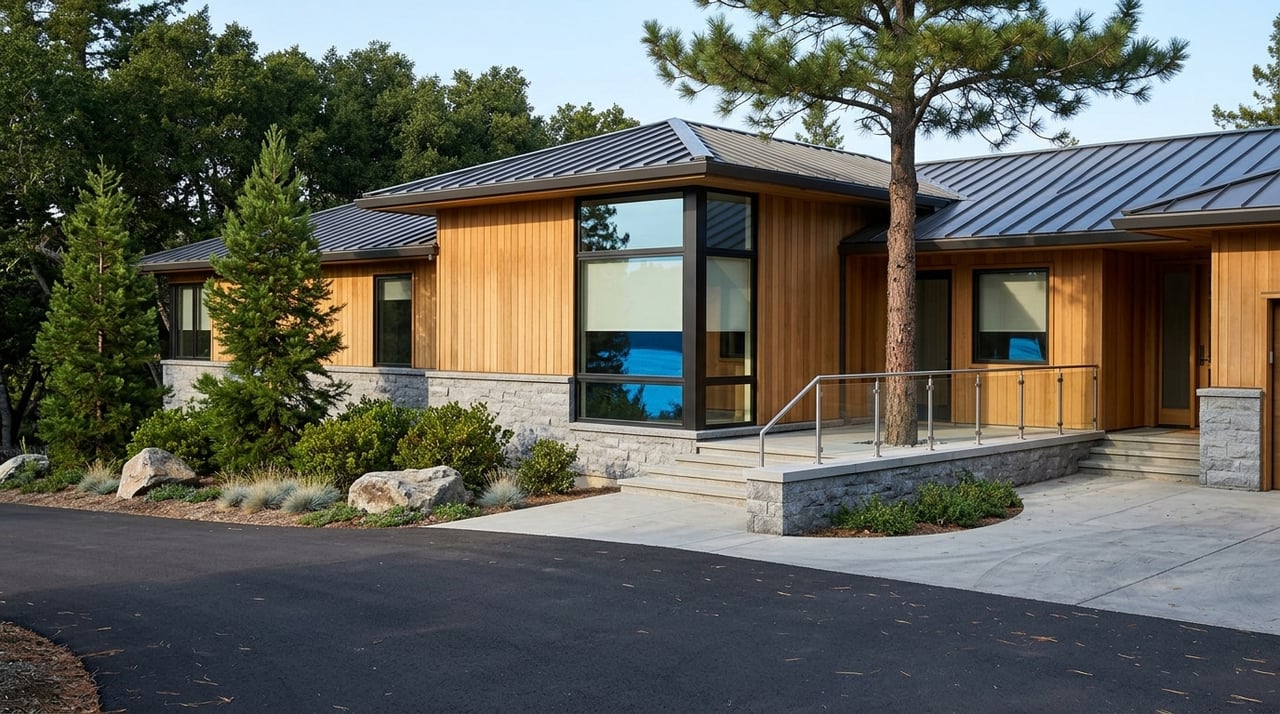
Is Cave Rock Estates The Right East Shore View Neighborhood?
If you are searching East Shore neighborhoods, Cave Rock Estates can look compelling at first glance. You get a dramatic Lake Tahoe setting, close boating access, and a more established neighborhood feel than some buyers expect on this stretch of shoreline. The real question is whether that mix fits how you want to live, own, and use your property, so let’s dive in.
Cave Rock Estates is an older East Shore neighborhood with roots that go back decades. Douglas County records show the Cave Rock Estates Unit No. 1 plat was recorded on January 3, 1962, and the Cave Rock Estates GID was created in October 1975.
That history matters when you tour the area. Instead of a master-planned look, you are more likely to find a neighborhood with mature character, varied homes, and infrastructure that is managed through the local GID, including paving, drainage, lighting, water, sewer, garbage, and refuse.
The neighborhood is also tied closely to Cave Rock itself, which the Forest Service and Nevada SHPO describe as culturally and historically significant to the Washoe Tribe. That gives the area a stronger sense of place than a typical view neighborhood, but it also means the setting comes with preservation and access considerations.
If you want architectural uniformity, Cave Rock Estates may not be your match. Public assessor data points to a mixed housing stock, with single-family homes on parcels such as 0.35-acre, 0.44-acre, and 0.58-acre lots, alongside Cave Rock Villas townhouse or row-house parcels around 0.01 to 0.02 acres.
You can also see the neighborhood’s age and evolution in the homes themselves. Representative records show homes built in 1963, 1978, and 1980, with features such as attached garages, fireplaces, large decks and balconies, parking decks, and remodel histories.
That variety can be a plus if you like homes with personality and terrain-driven design. It can be less appealing if you are hoping for a highly consistent streetscape or a fully modern product from lot to lot.
The lots and homes here reflect the mountain setting. Some parcels in the broader Cave Rock Estates area are listed in the roughly 0.37-acre to 0.98-acre range, and records suggest some homes include steep-slope adaptations.
In practical terms, that often means homes were designed around topography instead of flattening it out. For you as a buyer, that can translate into dramatic decks, elevated living spaces, and view-oriented layouts, but also a neighborhood where site conditions matter from one property to the next.
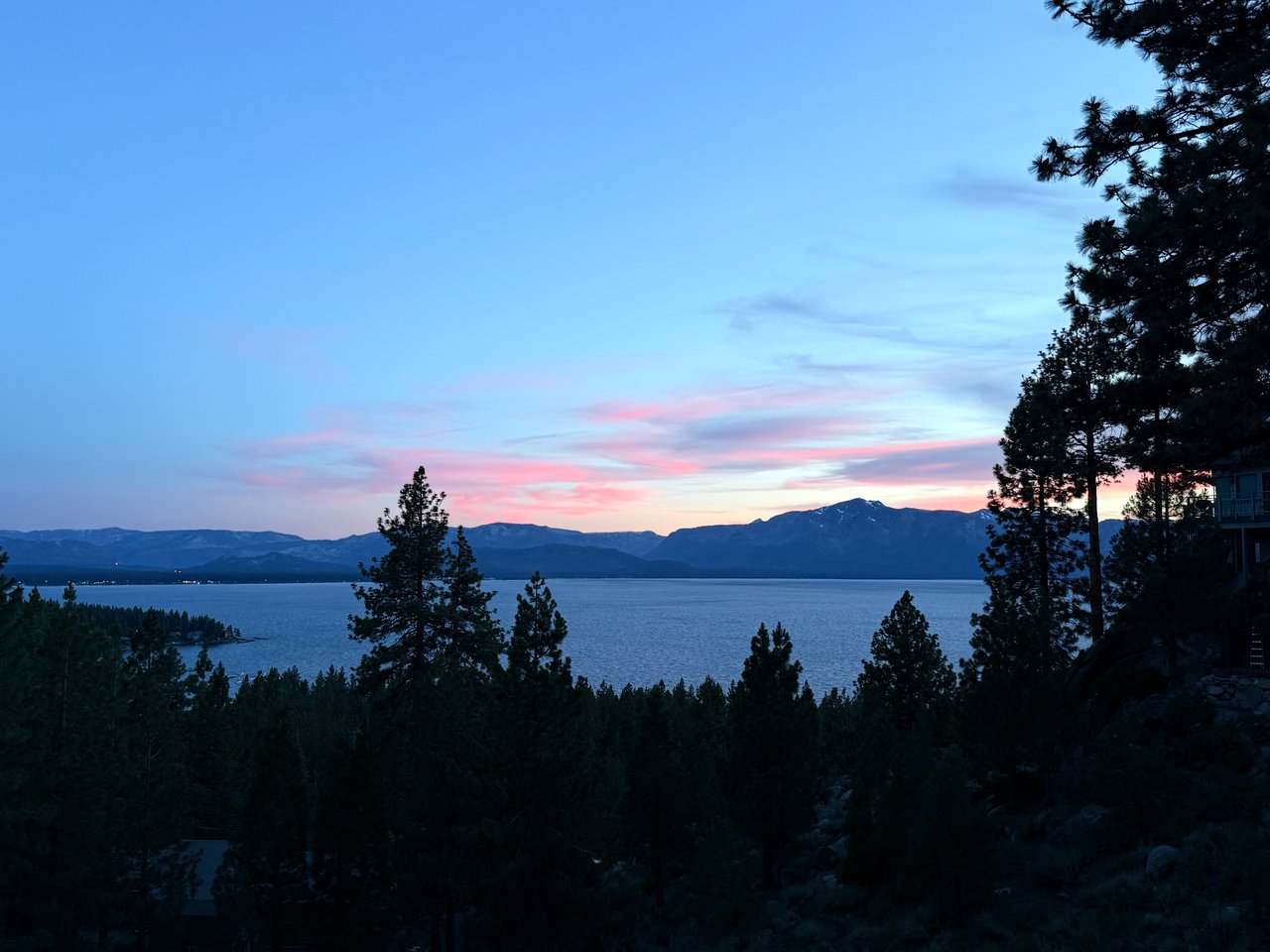
For many buyers, the biggest draw is simple: scenery. TRPA identifies Cave Rock as a scenic resource area, and its shoreline evaluation describes a broad west-shore panorama with Cave Rock as the dominant visual feature.
That means this is a neighborhood where the visual experience is a core part of the appeal. If you are buying for lake views and East Shore atmosphere, Cave Rock Estates checks that box more clearly than many neighborhoods that are inland or less connected to the shoreline setting.
At the shoreline, Nevada State Parks operates Cave Rock as a day-use boat-launch site. The site includes a double ramp, more than 40 trailer spaces, a small beach, and picnic areas.
The park also highlights boating, swimming, snorkeling, canoe and kayak launching, and fishing. If your Tahoe lifestyle centers on getting on the water quickly rather than owning a fully private shoreline experience, that convenience can be a meaningful advantage.
That same access comes with tradeoffs. Cave Rock is a public day-use area, so the lower shoreline context includes public recreation activity rather than a fully secluded waterfront atmosphere.
For some buyers, that is perfectly acceptable because the benefit of launch access outweighs the presence of day-use visitors. For others, especially if you picture a quieter and more private shoreline setting, it may feel less aligned with your goals.
The wider East Shore offers a strong outdoor backdrop. The Forest Service describes this side of Tahoe as mostly undeveloped and highlights recreation opportunities that include hiking, horseback riding, biking, and winter sports.
That said, Cave Rock Estates is not best described as a trail-centric neighborhood. The immediate lifestyle story is more about views, shoreline proximity, and the surrounding public-land setting than about stepping straight into a neighborhood trail system.
Nevada Trail Finder classifies Cave Rock as a 0.5-mile easiest route with accessible, paddling, walking, and motorized-watercraft uses. So you do have outdoor access nearby, but the neighborhood’s appeal is broader scenic access rather than a deep trail-focused identity.
One of the most important things to understand about Cave Rock Estates is that Cave Rock is more than a landmark. Nevada SHPO identifies it as a sacred Washoe place and a traditional cultural property, and the Forest Service notes the presence of sensitive archaeological resources.
That context shapes how the area is managed. It is part of what makes the location feel distinct and meaningful, but it also means the landscape is protected and not treated as an anything-goes recreation zone.
For example, the Nevada State Parks history page notes that rock climbing is prohibited at Cave Rock. That may not affect your daily life directly, but it reflects the broader reality that land use here is guided by cultural protection and managed access.
If you appreciate East Shore living with a strong sense of stewardship and place, that can be a positive. If you want a setting with fewer public-land rules and less agency involvement nearby, it is worth paying attention to.
The public-land context around Cave Rock Estates is not just background scenery. A TRPA/EIP fact sheet says existing infrastructure in the area is old or failing and is creating erosion issues within Cave Rock Estates and adjacent US Forest Service and Nevada Division of State Lands parcels.
That makes this an important due-diligence point. In an older neighborhood like this, buyers should pay close attention to how infrastructure, drainage, and site conditions affect a specific property and the surrounding area.
Nevada State Lands also notes that Tahoe state-owned parcels may require short-term-use authorization for access, tree removal, or snow storage. That does not mean every property faces the same issue, but it does reinforce that nearby public parcels can influence how land is used and managed.
Cave Rock Estates tends to fit buyers who value a view-oriented East Shore setting and who are comfortable with a neighborhood that has evolved over time. It can be especially appealing if you like larger, mature lots, varied architecture, and practical access to boating and shoreline recreation.
It may also appeal to second-home buyers who want a distinct Tahoe location with strong visual identity instead of a more interchangeable neighborhood feel. The setting around Cave Rock is memorable, and that often matters to lifestyle-driven buyers.
Cave Rock Estates is not ideal for every buyer profile. If your top priority is a highly uniform neighborhood aesthetic, a quiet private shoreline feel, or a strongly trail-centered residential setting, you may want to compare it with other East Shore options.
The same is true if you prefer a newer-home feel with fewer signs of neighborhood age or infrastructure complexity. Because this area is defined in part by its mature housing stock and public-land context, your comfort with those factors matters just as much as your appreciation for the views.
Cave Rock Estates can be the right East Shore view neighborhood if you want scenery, mature lots, close boating access, and a setting with real Tahoe character. Its strengths come from location, topography, and identity, not from uniformity or a private-resort feel.
For the right buyer, that combination is exactly the point. If you want help comparing Cave Rock Estates with other East Shore micro-markets, reach out to Craig Zager for a private Lake Tahoe market consultation.



4th of July in Lake Tahoe

Activities, Events, Live Music
Get In Touch