Should you buy behind a gate in Glenbrook or stay open to the street on Tahoe’s East Shore? The choice shapes your daily experience, budget, and future resale options. You want privacy, lake access, and smooth logistics without unexpected costs or rules that do not fit your plans. In this guide, you will compare what truly changes behind a gate in Glenbrook, plus the costs, risks, and due diligence that matter on the East Shore. Let’s dive in.
Glenbrook basics: gated vs non-gated
Glenbrook sits on Lake Tahoe’s East Shore within Douglas County, Nevada. The terrain is steep in places, many roads are private, and shoreline rights can drive value. Some neighborhoods are gated with controlled entry, while others are open but still operate with private roads or associations.
Not all gates operate the same way. A community can have a staffed entry, an automated system, or a simple locked pedestrian gate. In many small Tahoe associations, the roads and parking are private, which can limit public traffic while still making guest access straightforward.
Value and resale in East Shore markets
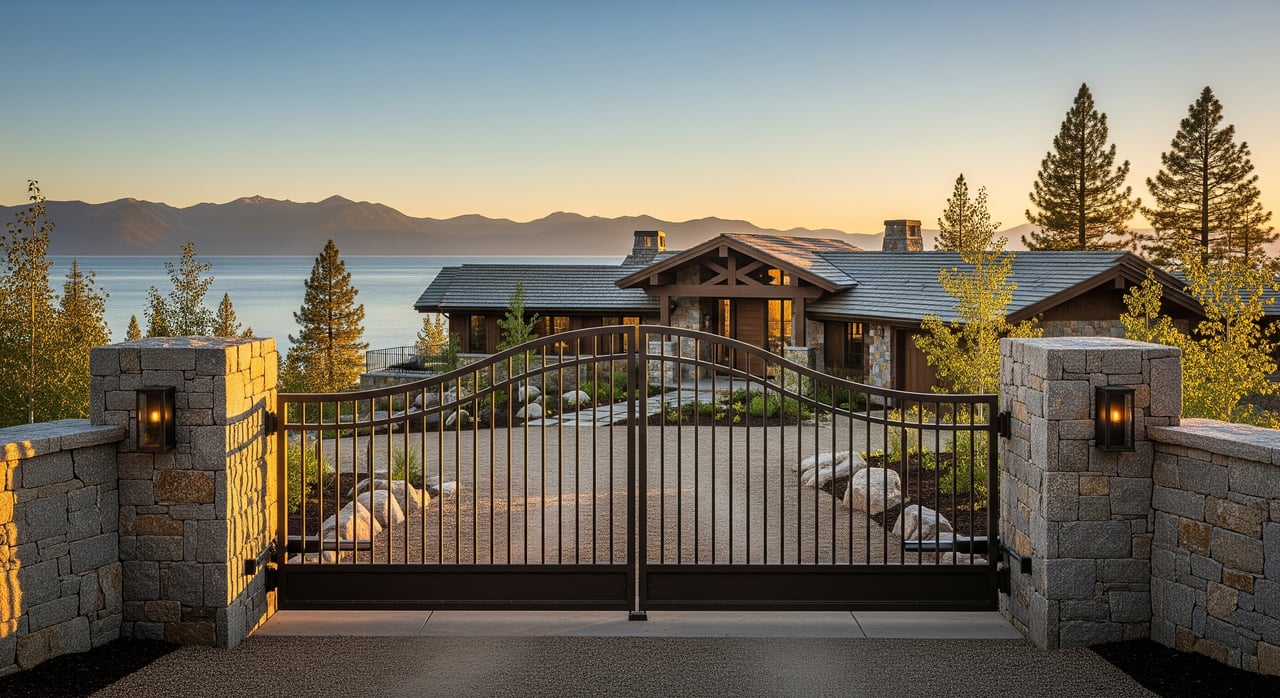
Gated homes can attract buyers who prioritize privacy, quiet roads, and controlled use of amenities. That appeal can support pricing, especially when combined with desirable lake access. In some cycles, however, higher fees and tighter rules can narrow the buyer pool and extend days on market.
Non-gated homes often appeal to a wider audience. They tend to be easier to show and may suit buyers who prefer fewer restrictions. If you are exploring short-term rental potential, confirm local and HOA rules first, since policies vary across the East Shore and can influence demand.
Costs to budget
HOA fees and common-area expenses
- Gated communities typically have HOAs with higher fees that cover gate operations, private road maintenance, snow removal, landscaping, and shared amenities.
- Review the budget, reserve study, and meeting minutes. Special assessments for capital projects, such as shoreline work or dock repairs, can be significant.
Insurance considerations
- Gated status does not automatically lower premiums. Insurers focus on wildfire exposure, flood zones, slope stability, and claims history in the Tahoe Basin.
- Some associations carry master liability policies. Confirm what the master policy covers, owner deductibles, and assessment exposure.
Road and snow responsibilities
- Private roads rely on HOA contracts for plowing and maintenance. Understand service standards and performance history. Reliable winter access affects daily life and insurance inspections.
Amenities and lake access
Behind the gate
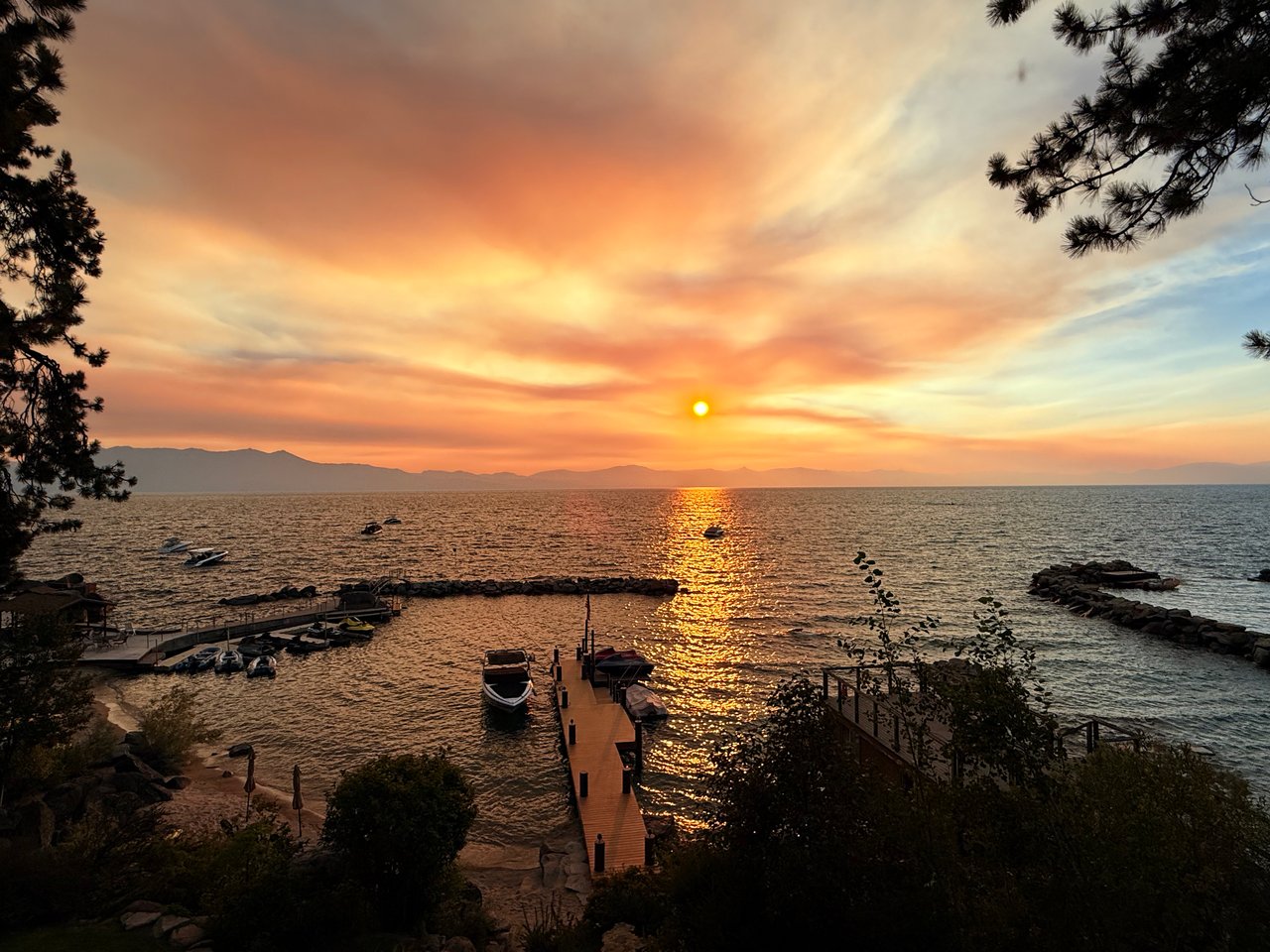
- You may see private beaches, community docks, marina slips, or recreation areas. Ask whether lake rights are deeded to each lot or held in common.
- Confirm how slips are allocated and whether they transfer with the sale. Rules for boat storage and trailer parking can differ by association.
Outside the gate
- Lake access may be through public beaches, state parks, or private easements. Public parking, seasonal hours, and launch logistics can influence how often you get on the water.
Shoreline rules and permits
- The Tahoe Regional Planning Agency regulates shorezone modifications, docks, and many landscaping and improvement projects within the Basin. Verify existing permits and what changes are allowed.
Safety, wildfire, and winter access
Emergency access is critical on the East Shore. Gate systems should have responder overrides that meet local fire code. Ask how first responders gain entry and whether the system is regularly tested.
Wildfire risk is elevated across the Tahoe Basin. Many HOAs set defensible-space and maintenance standards that can reduce risk but add ongoing compliance costs. In winter, snow removal quality and timing can affect access for residents and service providers.
Legal and disclosure essentials in Nevada
If you buy or sell within a common-interest community, Nevada statutes require a specific package of HOA disclosures. Expect to see CC&Rs, bylaws, current budgets, reserve studies, insurance summaries, and recent meeting minutes. Confirm whether there is any pending litigation or planned special assessment.
Lakefront ownership can include easements or deeded shorezone rights. These terms, along with TRPA restrictions, shape how you can use, improve, or transfer amenities such as docks and swim platforms. If a parcel is lakeside or near a stream environment, check FEMA flood mapping and ask for any elevation certificates that may affect insurance.
Buyer due diligence checklist
Before you write an offer, verify the essentials:
- Road ownership and maintenance: public or private, snow removal standards, and who pays for repairs.
- HOA documents if applicable: CC&Rs, bylaws, rules, current budget, reserve study, minutes, insurance declarations, litigation, assessment history, and management contacts.
- Lake access paperwork: deeds, easements, slip assignments, marina agreements, and any TRPA permits tied to docks or swim platforms.
- Permits and improvements: confirm building permits and TRPA approvals for additions, shoreline work, and major landscaping.
- Insurance and risk: get current premium estimates, confirm flood zone status, and review wildfire risk considerations and past claim history.
- Emergency access and safety: verify responder gate access and ask about neighborhood wildfire mitigation plans.
- Utilities and septic: sewer versus septic, well details or private water systems, and winterization needs.
- Financial health: review 2 to 3 years of HOA budgets and statements to gauge reserves and potential assessments.
- Marketability: compare recent sales inside and outside gated areas within Glenbrook and nearby East Shore pockets to understand buyer demand trends.
Seller preparation checklist
If you plan to list, prepare early to keep your timeline on track:
- Assemble the full HOA packet and required Nevada disclosures for common-interest communities.
- Confirm the status and transferability of any deeded lake rights, slips, or access agreements.
- Gather permits and TRPA documentation for improvements and shoreline features.
- If gated, provide clear showing procedures for agents and buyers, including codes or guest passes.
- Consider a pre-listing inspection that covers septic, roof, defensible space, and drainage.
- Highlight operations and maintenance: snow removal schedules, private road upkeep, recent capital projects, and any pending assessments.
Match the choice to your lifestyle
- Privacy minded buyers: You may value controlled access, fewer passersby, and consistent community standards behind a gate.
- Boaters and recreation seekers: Focus on deeded lake rights, marina and slip availability, trailer parking rules, and winter logistics.
- Long-term and full-time owners: Predictable maintenance, strong reserves, and defensible-space policies can matter more than the presence of a gate.
- Investors and short-term rental buyers: Confirm Douglas County and HOA rules on rentals. Restrictions can limit income and influence resale.
Pricing and marketing strategy
Gated status can shape how you price and position a listing, but it is only one lever. Some buyers will pay more for privacy and amenities, while others will avoid high recurring fees or tight rules. Align your list strategy with recent local comparables, the association’s financials, and the lifestyle advantages that matter most for your likely buyer.
For non-gated homes, lean into ease of access, showing flexibility, and broad appeal. For gated homes, make logistics seamless by explaining entry procedures and documenting the value of amenities and maintenance programs.
Work with a Glenbrook specialist
The East Shore is a collection of micro-markets where road type, lake rights, TRPA entitlements, and association health can swing value. A local, concierge approach helps you compare options with confidence, from shoreline rights to snow removal contracts. With boutique service and deep neighborhood knowledge, you can match the lifestyle you want with the property that supports it.
Ready to weigh gated versus non-gated for your goals in Glenbrook? Request a Private Lake Tahoe Market Consultation with Craig Zager to map your path with local insight and a clear plan.
FAQs
Do gated homes in Glenbrook always sell for more?
- Not always, since gated status can add privacy and amenities but higher fees and a narrower buyer pool can offset premiums depending on current local demand.
Will a gate slow emergency response on Tahoe’s East Shore?
- Gates are required to provide emergency access and should have responder overrides, so confirm the system’s compliance and procedures with the community.
Are homeowner insurance premiums lower in gated communities at Lake Tahoe?
- Not necessarily, because insurers weigh wildfire exposure, flood risk, slope stability, and claims history more heavily than gate status, and master policies do not replace owner coverage.
Can you get a dock or slip if the property is not in a gated community in Glenbrook?
- Possibly through deeded rights, a private marina, or a slip lease, but shoreline rules and permits apply, so verify documents and TRPA status before purchase.
How do HOA special assessments affect a sale in Douglas County?
- They are material disclosures that can impact buyer financing and negotiations, so sellers should document them early and buyers should review budgets and reserve studies.
What TRPA rules should Glenbrook buyers consider?
- TRPA regulates land coverage, shorezone modifications, and many improvements within the Basin, so confirm permits and allowable changes before you plan projects.