Leave a Message

Thank you for your message. We will be in touch with you shortly.

Glenbrook Neighborhood Guide For Discerning Tahoe Buyers

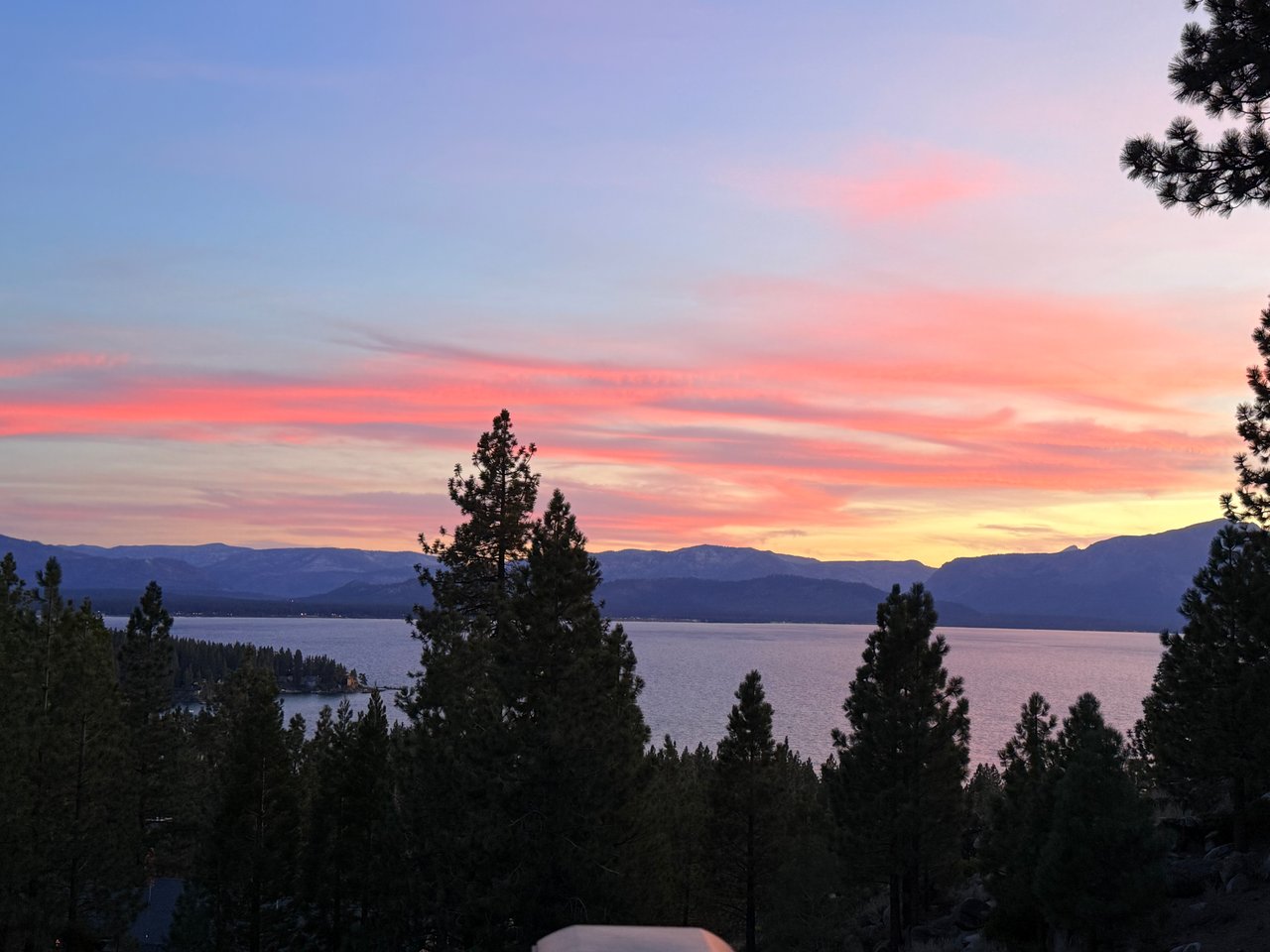
Picture a quiet cove on Tahoe’s East Shore where the water stays glassy in the morning, trails begin right outside the gate, and lake access is managed with care. If you are weighing privacy, shoreline access, and long-term value, Glenbrook deserves a close look. In this guide, you will learn how Glenbrook is organized, what the HOA controls, how pier and buoy access really works, and the key diligence steps that protect your plans. Let’s dive in.

Why Glenbrook stands out

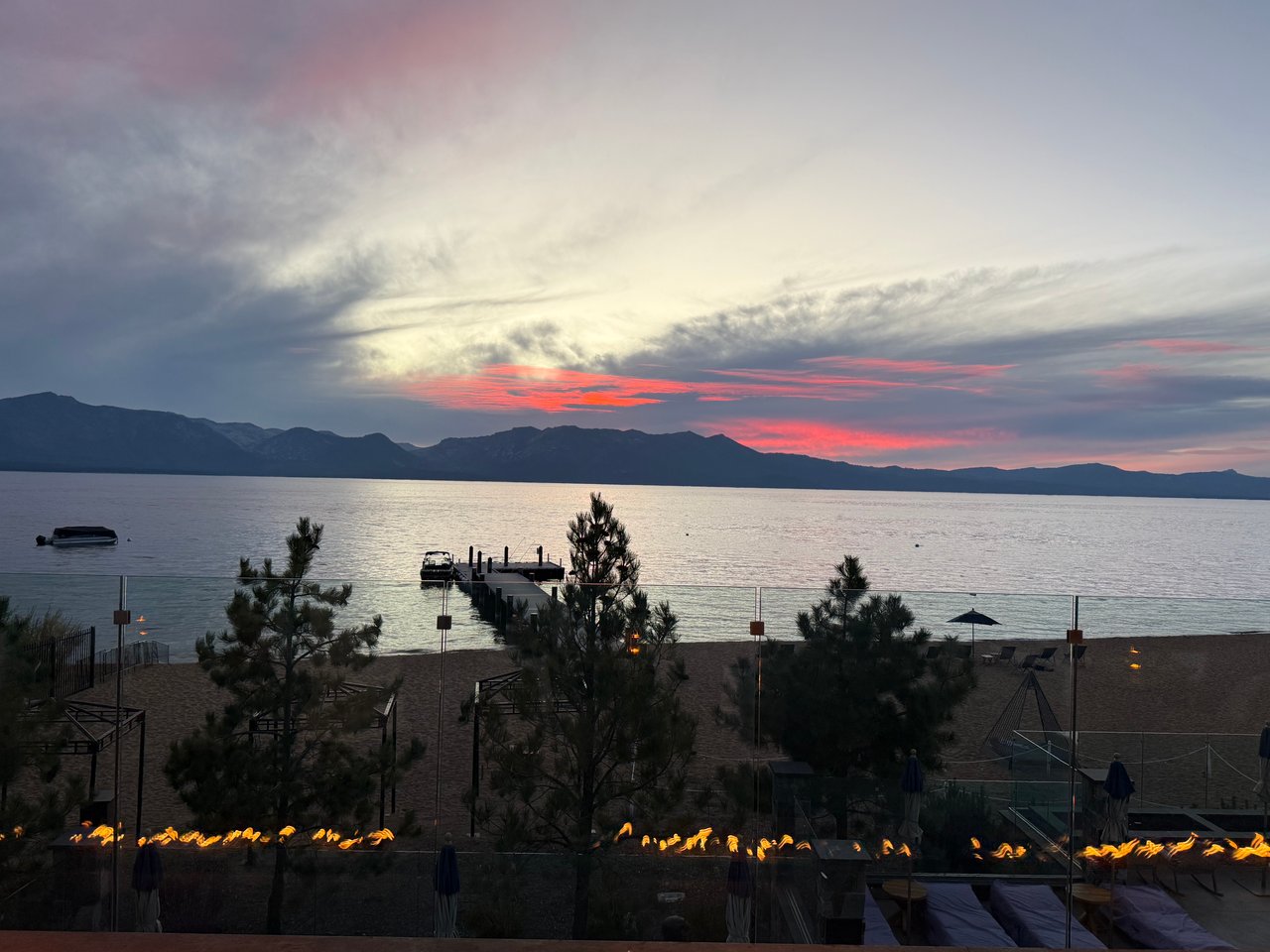
Glenbrook is a small, gated, low-density community on Lake Tahoe’s East Shore in Douglas County, Nevada. Only a portion of its roughly 750 acres is developed, which preserves meadows and forested open space that frame the homes. Owners enjoy private sandy beaches, a community pier, and a managed buoy field, all administered by the Glenbrook Homeowners’ Association (GHOA). The market here tends to skew luxury, with rare lakefront estates and legacy holdings that trade infrequently.

Your early diligence checklist

Before you tour, line up the essentials. These items shape lifestyle, budget, and resale.

  1. Confirm HOA affiliation and rights
  • Ask whether the parcel is part of the GHOA and what rights come with it. Common Elements like beaches, the pier, and buoys are managed by the Association, not individual lots. Review the recorded CC&Rs for definitions and rules. See the Glenbrook CC&Rs.
  1. Review design approvals
  • Exterior work, additions, roofing, and many visible changes require Design Review Committee approval. Budget time and fees. Start with the GHOA Design Review page.
  1. Verify pier and buoy details
  • Buoy use is subject to application and allocation procedures. Confirm assignment, any waitlist, fees, and seasonal valet operations in writing. See the GHOA buoy request form.
  1. Understand rental constraints
  • Douglas County’s VHR program limits new short-term rental permits in parts of the Tahoe Township, including Glenbrook. Always check the county’s current rules and permit waitlist before assuming rental income. Start at the county’s VHR program page and waitlist.
  1. Check water system specifics
  • Properties are served by the Glenbrook Water Cooperative. System pressure, pump operations, and owner responsibilities can affect renovation planning and cost. Review the Glenbrook Water Cooperative.
  1. Review HOA financials and insurance
  • Ask for recent budgets, reserve studies, and any special assessments. Confirm what the Association insures for shoreline assets and what is an owner obligation.
  1. Confirm wildfire and fuels context
  • Request any defensible-space documentation and learn about nearby fuels-reduction projects that may affect the landscape and insurance. See recent work reported on the East Shore in the Tahoe Daily Tribune.

How the neighborhood is organized

Glenbrook is a collection of small enclaves with different lot sizes and amenity profiles. You will find everything from cottage and townhome clusters to custom homes and multi-acre lakefront estates. Some historic lakefront parcels, such as portions of the Shakespeare area, are described in listings as non-affiliated with the GHOA. Non-affiliated lots often have different rights or easements, so verify HOA membership and recorded shoreline access for each parcel you consider.

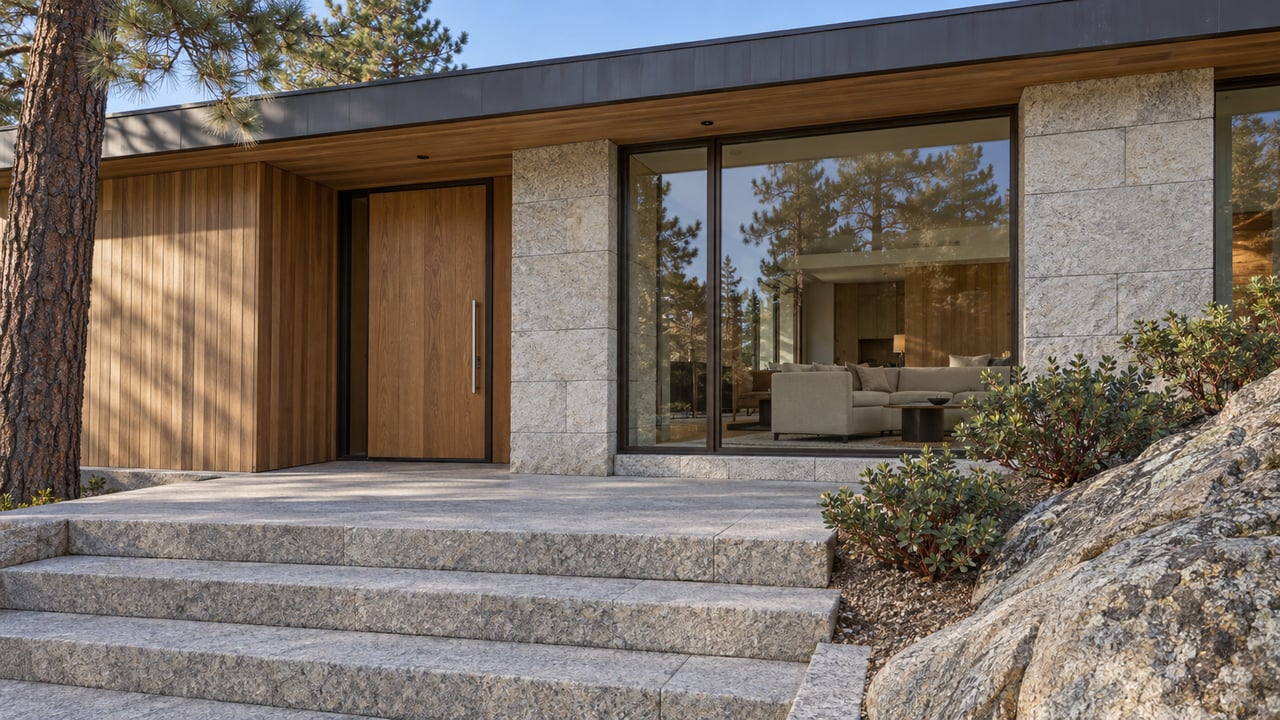
Within the broader area, Uppaway Estates is a separate, gated enclave with its own small amenity set. Across Glenbrook, architectural styles range from classic Tahoe cabins to modern custom estates. Because many homes evolved through renovations over time, no single architectural era dominates, which keeps the streetscape interesting.

Club, beaches, pier, and buoys

The community is anchored by the private Glenbrook Club, a seasonal golf and tennis club with a storied 9-hole course that is often cited as Nevada’s oldest. Membership is separate from the HOA and has its own fees and policies. Learn more about the club’s profile and operations in this Glenbrook Club overview.

For on-water access, the beaches, pier, and buoy field are Association-managed Common Elements. The CC&Rs spell out that these assets are owned and regulated by the GHOA, with formal processes for use. Read the CC&Rs for definitions and governance, and use the buoy request form to understand allocation steps. If boating is central to your lifestyle, get written confirmation of your buoy and pier plan before you close.

Governance that shapes lifestyle

Glenbrook’s recorded CC&Rs define how the community operates. Key items to note:

  • Common Elements and shoreline: Beaches, the pier, and buoys are Association assets. Use is governed by GHOA procedures and rules, not by individual waterfront ownership. See the CC&Rs.
  • Design Review: Exterior work, paint, fences, and visible improvements require DRC approval. Start with the Design Review page.
  • Timesharing: The CC&Rs prohibit timesharing arrangements. Review the definitions in the CC&Rs.
  • Delegation of use to lessees: If you lease your home, you typically delegate your Common Element rights to your tenants. The Association can enforce rules with both owners and lessees. See Section 2.4 in the CC&Rs.

Rental policy sits at two levels. The GHOA sets community rules, and Douglas County regulates vacation home rentals in the Tahoe Township. The county has tightened permits and density in recent years. If rental income matters, check eligibility and the current waitlist on the county’s VHR page and confirm the HOA’s written position.

Utilities, wildfire, and daily operations

Domestic water is provided by the Glenbrook Water Cooperative. Pressure zones, pump and tank operations, and owner responsibilities can affect irrigation and remodel planning. Review the Water Cooperative resources and request recent maintenance information during escrow.

Glenbrook borders large public-land areas managed for both recreation and forest health. Nearby, Lake Tahoe Nevada State Park’s Spooner Lake and the Marlette backcountry offer premier hiking, biking, and Nordic access. Browse trails and access at Spooner Lake State Park.

Active fuels-reduction and restoration work occurs on the East Shore. These projects improve forest resilience but can affect views, seasonal smoke conditions during prescribed burns, and homeowner obligations for defensible space. Stay current by reviewing local reporting, such as this Tahoe Daily Tribune update, and ask the HOA for any community mitigation plans.

Who Glenbrook fits best

  • Privacy-first buyers who want a quiet, gated setting with managed shoreline access and minimal traffic.
  • Owners who value club life and on-water convenience, including beach days supported by a community pier and buoy field.
  • Nevada residents who prefer East Shore access to the Reno–Tahoe airport and a state with no income tax, a factor often noted by second-home owners. See state policy context from the Tax Foundation.
  • Buyers who prize legacy potential, where properties can remain in the family for decades.

Market tone and property types

Inventory is limited, and pricing reflects the combination of privacy, shoreline control, and historic character. Listings routinely include multi-million-dollar homes and rare lakefront estates. For scale, see representative offerings like this Shakespeare-area compound example that illustrates how legacy parcels are marketed. Always verify current availability and pricing.

How to shop Glenbrook with confidence

  • Start with the documents. Download the CC&Rs, Design Review, buoy request form, and the county’s VHR page.
  • Confirm parcel status. HOA-affiliated or non-affiliated will shape shoreline access, approvals, and community rules.
  • Align your plan. If you expect to renovate, budget DRC timing. If boating is key, verify buoy and pier access now. If renting matters, confirm county permit pathways before you write an offer.

When you are ready to compare enclaves, water access, and approval pathways, our team can curate private, on-water and on-foot tours that match your criteria. If you would like a quiet, expert-led process, reach out to Craig Zager for a confidential consultation.
FAQs

What amenities does the Glenbrook HOA manage?

  • The GHOA manages community beaches, the pier, and the buoy field as Common Elements, with usage governed by the recorded CC&Rs.

How do pier and buoy assignments work in Glenbrook?

  • Owners follow HOA procedures for buoy requests and allocations, with potential waitlists and fees; start with the buoy request form and confirm details in writing with the Association.

Can I operate short-term rentals in Glenbrook?

  • It depends on parcel eligibility and current county rules; Douglas County’s Tahoe Township has restrictions and a waitlist, so check the VHR program page and confirm HOA policies before planning rentals.

Is Glenbrook close to public trails and parks?

  • Yes, Glenbrook sits near Lake Tahoe Nevada State Park’s Spooner Lake and the Marlette backcountry, which provide hiking, biking, and Nordic access; see Spooner Lake State Park.

What is the Glenbrook Club, and is it part of the HOA?

  • The Glenbrook Club is a separate private golf and tennis club with its own membership and fees; learn about its profile in this club overview.

Work With Craig