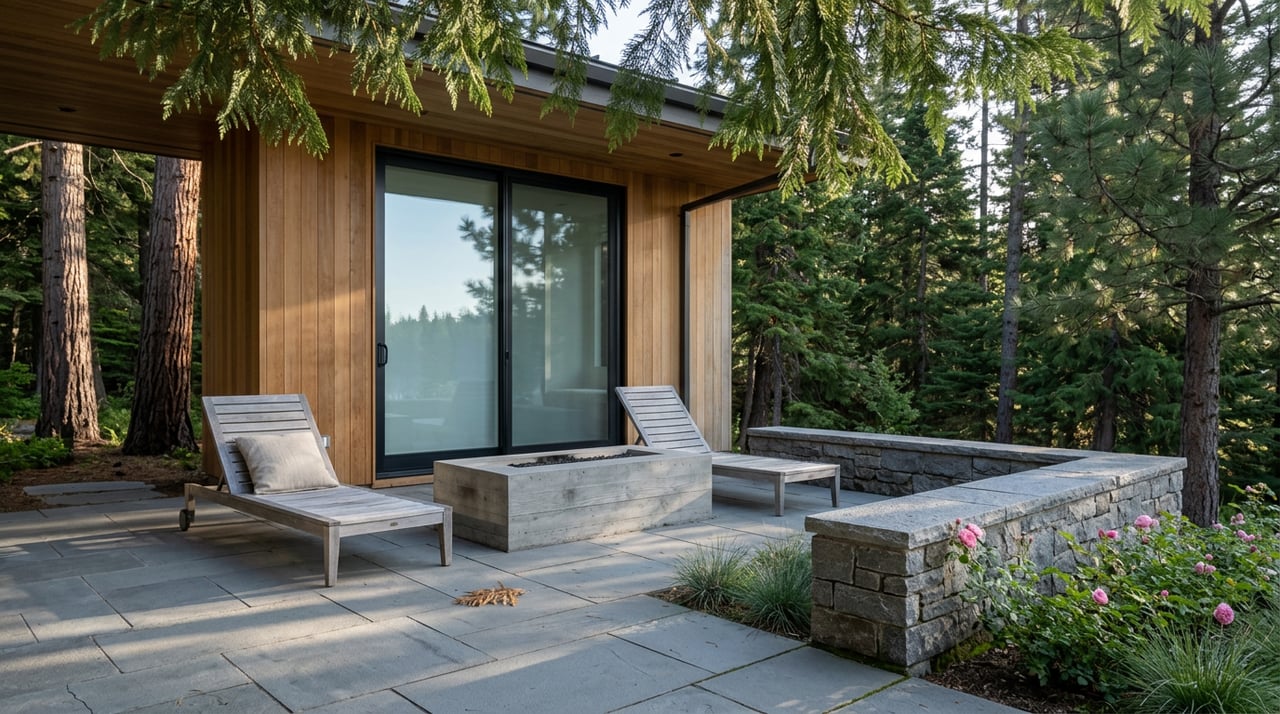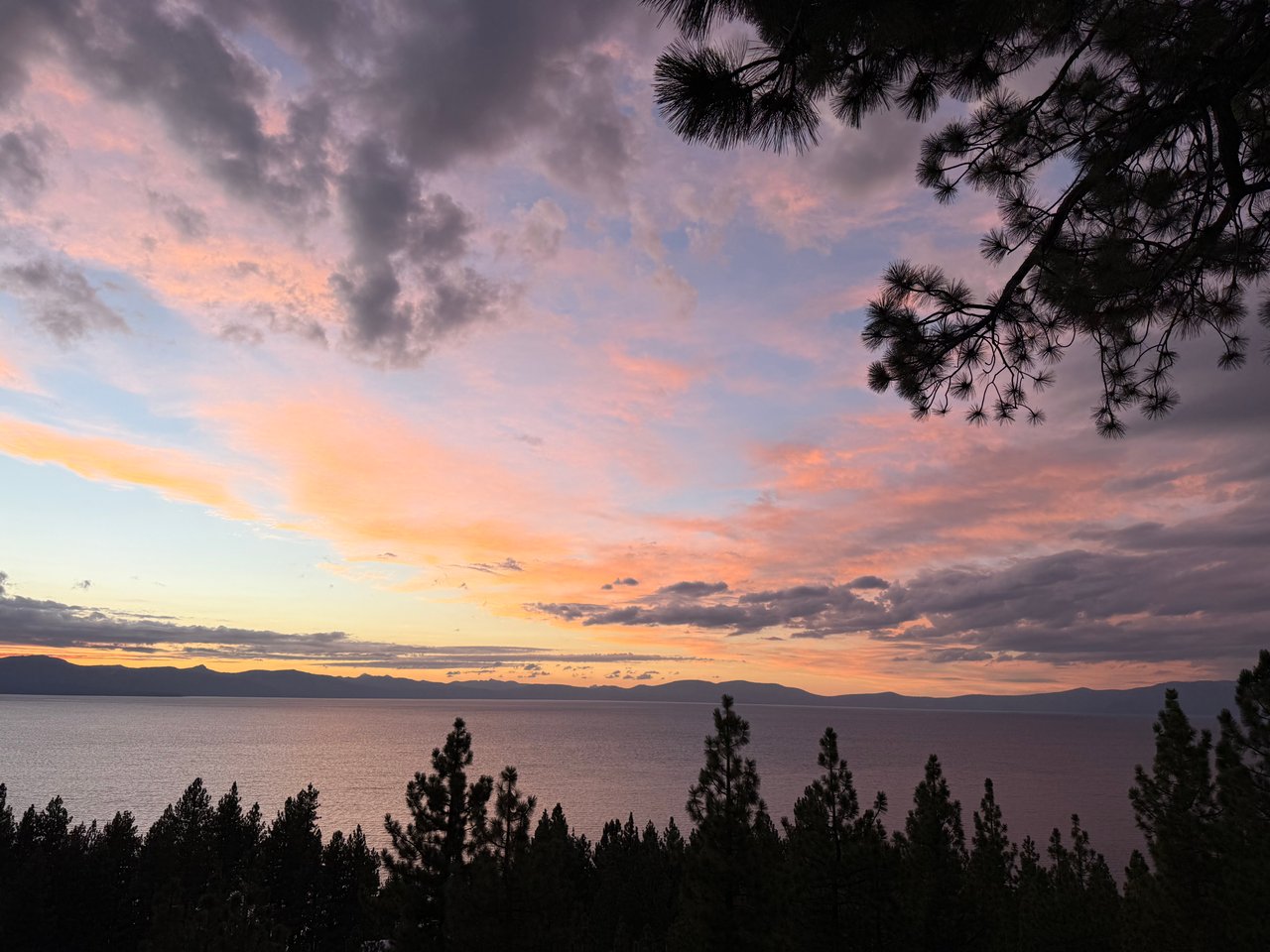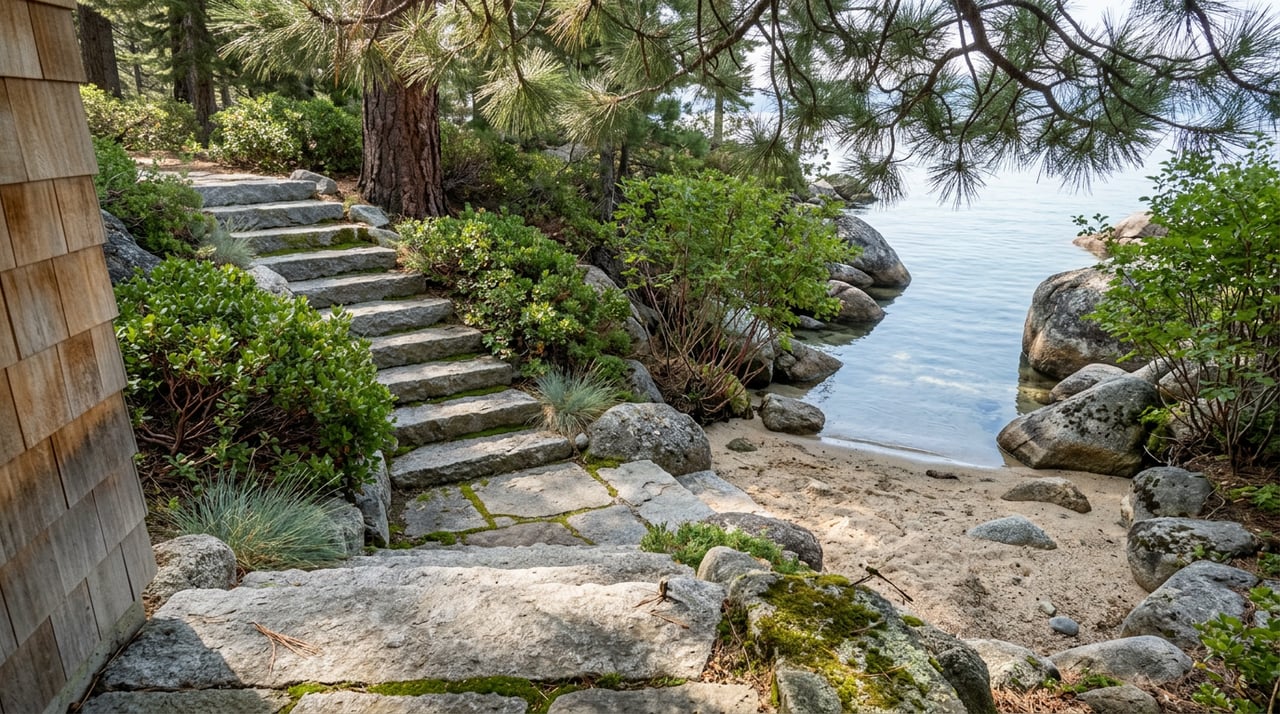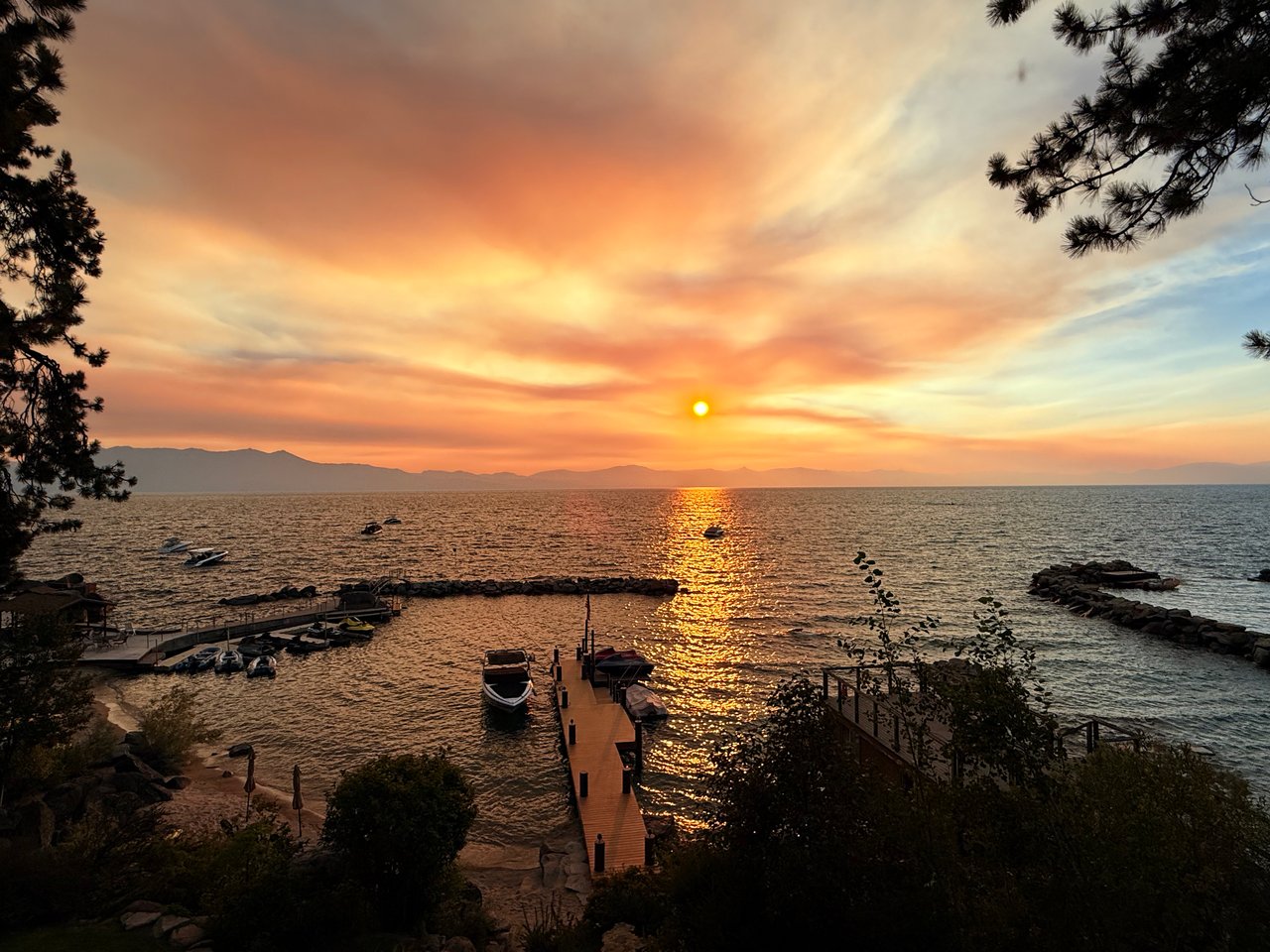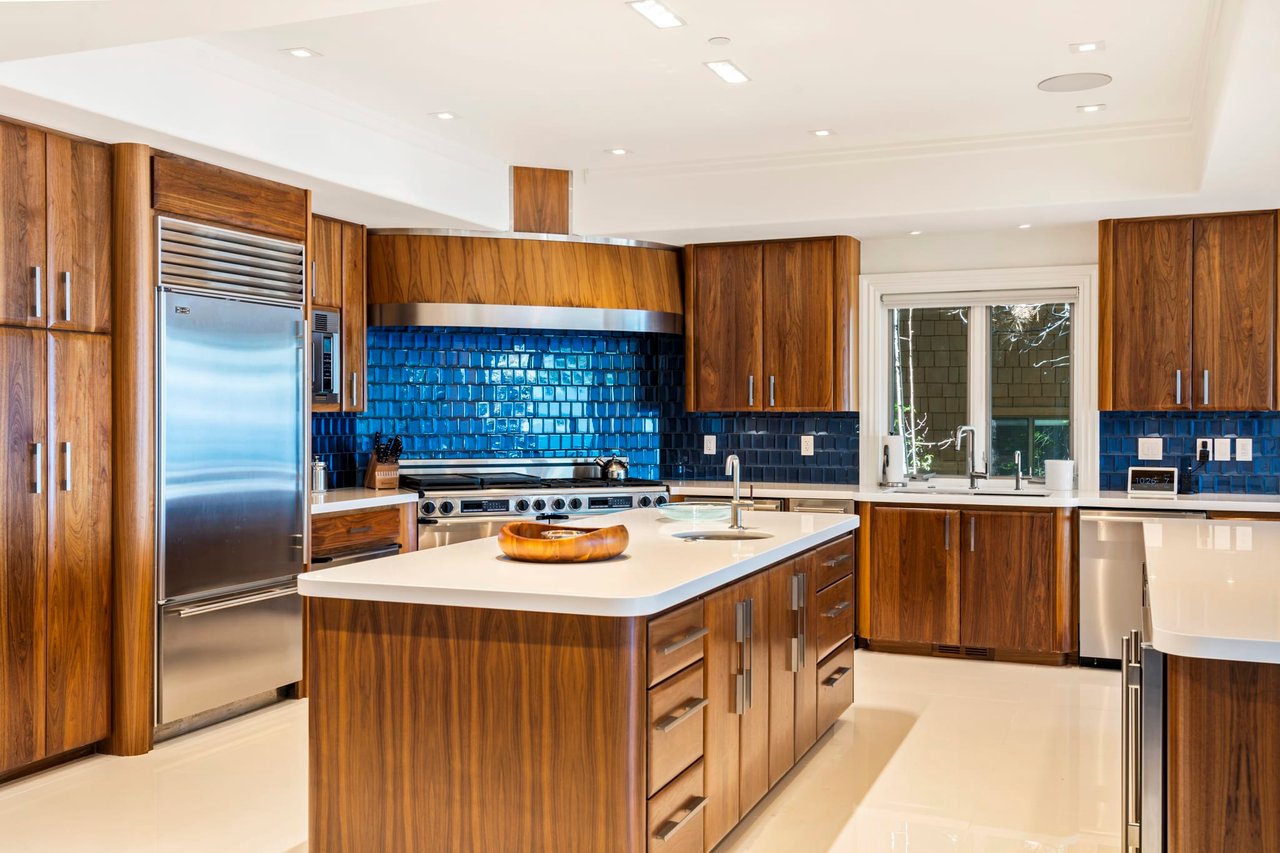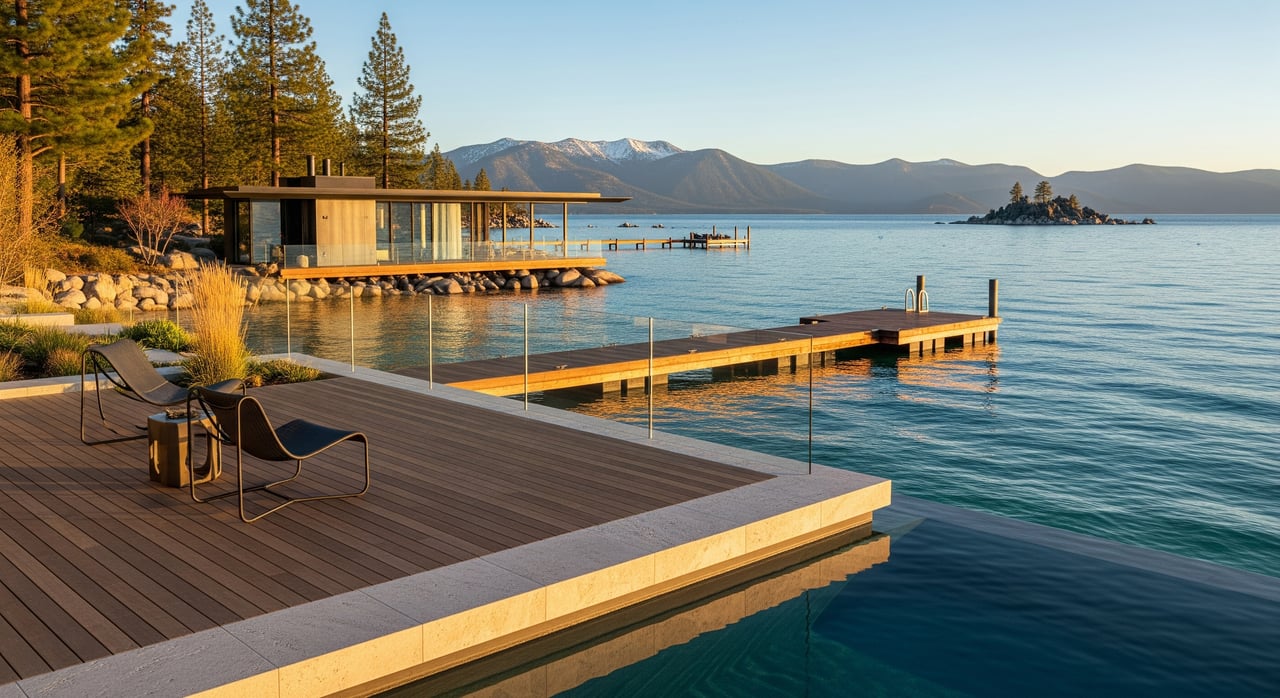
Do you picture carefree days with on-site amenities or quiet mornings on your own shoreline? If you are weighing Tahoe Beach Club living against a private East Shore lakefront home in 89449, you are not alone. Each path offers a distinct lifestyle, cost profile, and ownership experience. In this guide, you will learn the key differences, what to verify before you buy, and how to match your goals to the right fit. Let’s dive in.
Quick decision lens: privacy or convenience
Start with two questions: How much privacy and control do you want, and how hands-on do you want to be? Club residences emphasize convenience and shared amenities with fewer daily tasks. Private lakefront homes emphasize exclusive space and full control, but you manage more of the details and upkeep. Your boating plans, rental goals, and tolerance for governance rules also matter.
Tahoe Beach Club lifestyle
Club living is designed for a turnkey, lock-and-leave experience. You typically get shared amenities like a pool, fitness, beachfront access, and professional management. Common services often include landscaping, snow removal, and exterior maintenance, which means less time coordinating vendors. The tradeoff is living with community rules around pets, guests, noise, and rentals.
Private lakefront lifestyle
A standalone lakefront home offers maximum privacy and control over your property, subject to permits and environmental rules. You can customize more, enjoy larger yards, and, in some cases, maintain your own dock if it is permitted. The tradeoff is responsibility for maintenance, utilities, seasonal prep, and shoreline care. Many second-home owners hire property managers to keep things running smoothly.
Privacy and site control
Club sites are planned for efficient land use, so you share beachfront and have neighbors nearby. That can limit yard size and customization. Private lakefront parcels typically offer more space, exclusive views, and direct access. With that privacy comes responsibility for shoreline management and erosion control under regional rules.
Maintenance and services
- Club: Much of the exterior work and amenity care is handled by the HOA or club and funded by dues. This suits owners who want minimum hands-on involvement.
- Private: You budget for roof, siding, deck, septic, snow removal, dock upkeep, and seasonal tasks. Remote owners often use property managers and pay separately for storage or concierge help.
Costs to plan for in 89449
Purchase price, dues, and operating costs vary widely between club residences and private lakefronts. True private shoreline is scarce on the East Shore and usually commands a premium. Clubs fund services through dues and may charge initiation or transfer fees. For any property, plan for property taxes, insurance, utilities, marina or moorage fees, and maintenance.
Create a shortlist of questions to verify before you write any checks:
- What are current HOA dues, and when were they last raised? Any pending special assessments?
- What do dues include, and what is the reserve fund status?
- Are there initiation or transfer fees?
- What are typical annual costs for maintenance, insurance, and utilities?
- What is the property’s tax history with Douglas County?
Boating and moorage on the East Shore
Owning lakefront does not automatically guarantee a private dock or motorboat access. Pier and dock approvals in the Tahoe basin are tightly regulated by regional and county agencies, and some parcels do not qualify for private docks. Slip availability in club settings varies, and waitlists are common. Many owners rely on public or private marinas, such as Zephyr Cove Marina, for slips or launch services. Always verify whether a slip is included, transferable, or waitlisted, and confirm seasonality and rules for guests.
Short-term rentals and income
Rental rules differ between clubs and private homes. Some clubs prohibit short-term rentals or limit them with caps or centralized management. Private lakefront homes in Douglas County may offer strong rental demand, but permits, transient lodging taxes, and safety requirements apply. Policies can change, so verify county rules, any neighborhood restrictions, and insurance needs before you underwrite income.
Insurance, hazards, and utilities
Wildfire risk and shoreline weather are real factors around Lake Tahoe. Insurers may require defensible space and specific building materials, and premiums have risen in high-risk areas. Shoreline homes can face erosion or high-water events. Flood policies and separate dock coverage may be necessary. Many East Shore properties use septic systems, so capacity and condition matter, especially if you plan renovations or rental activity. Winter access and snow removal should be part of your planning.
Resale and liquidity
Private lakefront properties often hold value well due to scarcity, though they can carry higher operating costs and appeal to a narrower buyer pool in some cycles. Club and condo residences attract buyers who want convenience and predictable maintenance. For both, resale outcomes hinge on governance health, documented permits and rights, insurance history, and clear rental policies if applicable. Strong HOA reserves and clean compliance records support buyer confidence.
Buyer profiles: match your fit
You might lean toward Tahoe Beach Club if you:
- Want a true lock-and-leave second home with on-site amenities.
- Prefer shared responsibility and professional management.
- Do not want to manage a private dock or shoreline.
- Value social programming or concierge-style services.
You might lean toward a private lakefront if you:
- Want maximum privacy, exclusive shoreline, and customization.
- Plan frequent use and want full control of improvements.
- Are comfortable with higher maintenance and management costs.
- Aim for long-term appreciation tied to scarce lakefront parcels.
A hybrid path: Buy a private home and hire a property manager, or choose a community with marina access while you pursue a slip at a nearby marina.
Due diligence checklist
For a club residence like Tahoe Beach Club:
- Documents: CC&Rs, bylaws, rules, budgets, reserve study, insurance certificate, audited financials, recent meeting minutes.
- Dues and fees: current dues, history of increases, initiation/transfer fees, parking rules, pet and guest policies, planned assessments.
- Amenities and services: what is included, staffing levels, and access hours.
- Moorage: slip inclusion, transfer rules, waitlist status, guest slip policies and fees, access to launches or valet boat services.
- Rentals: STR allowed or prohibited, caps, required managers, and who remits transient lodging taxes.
- Insurance: master policy coverage and deductibles; owner obligations for interior, water, and hazard coverage.
- Track record: litigation history and recent or proposed capital projects.
For a private lakefront home:
- Title and shoreline rights: deeded access, easements, and any public trust limitations.
- Permits: copies of approvals for piers, docks, seawalls, and proof of current compliance with regional and county agencies.
- Septic and utilities: inspection and pumping records, capacity, any sewer connection notices, well documentation if applicable.
- Property condition: structural inspection, appraisal, elevation certificate if available, erosion history, shoreline work records.
- Insurance: quotes for wildfire and flood; ask about required mitigation.
- STR feasibility: local permit status and any neighborhood restrictions.
- Access and parking: private road maintenance agreements, plowing, and guest parking rules.
- Historical costs: tax history, recent utility bills, and maintenance invoices for shoreline and landscaping.
For either option:
- Seller disclosures.
- Recent comparable sales and days on market for East Shore properties.
- Proof of paid assessments for club properties.
- Any conservation or building plans that could affect development rights.
Smart questions to ask
When speaking with the club:
- What is included in dues today? Are any special assessments planned?
- How do docks and slips work for owners and guests? Are there waitlists?
- What are the exact rental rules, and can owners use a club-managed rental program?
- How is liability handled for shared beachfront and docks?
When speaking with a private seller:
- Is there a deeded pier or mooring, and what permits prove it? Any compliance items pending?
- Has the shoreline experienced erosion or high-water damage? What stabilization work was done?
- What is the age and service history of the septic system? Any required upgrades?
- Can you share property tax payment history and any local improvement district charges?
When speaking with a marina:
- Are there annual or transient slip options and waitlists? What are the rules on transfers?
- What is the typical season, and how do winter storage and launch schedules work?
Next steps
Your best move is to verify rules and costs early: request HOA documents, confirm shoreline permits, speak with county offices about STR registration, and obtain insurance quotes. If boating access is central to your lifestyle, clarify whether a slip is included, transferable, or realistically waitlisted, and plan for a marina backup.
If you want a curated, side-by-side tour of club residences and private lakefronts in 89449, connect with Craig Zager for a private East Shore consultation and property plan.
FAQs
What makes 89449 unique for this decision?
- The East Shore’s mix of club communities and scarce private shoreline lets you choose between turnkey amenities and exclusive privacy, all near Zephyr Cove and Stateline.
How hard is it to get a private dock on Tahoe’s East Shore?
- Dock approvals are tightly regulated, and not every parcel qualifies. Many buyers rely on existing permitted structures or nearby marinas with slip options or waitlists.
Can you do short-term rentals in Douglas County near Zephyr Cove?
- STRs are regulated and may require permits, taxes, and safety compliance. Rules can change and HOA policies may be stricter, so verify before underwriting income.
Do HOA dues cost more than private ownership?
- Dues fund shared services and reserves, while private homes carry direct costs like maintenance, insurance, and utilities. Compare both sets line by line before choosing.
What should you verify for boating if a slip is important?
- Confirm whether a slip is included, transferable, or waitlisted, plus guest policies and seasonal schedules. If not included, plan for marina access as a backup.
What insurance issues should you expect by the lake?
- Expect wildfire mitigation requirements, possible flood or shoreline coverage needs, and insurer underwriting for docks and outbuildings. Get quotes early in your process.