How No‑Rental Policies Shape Value In Lakeridge
Can a neighborhood rule that limits short-term rentals raise or lower what your home is worth? In Lakeridge on Tahoe’s East Shore, that question comes up often. You want the peace, privacy, and private lake access that define this small community, yet you also want to understand how no-rental expectations might influence price, demand, and resale. In this guide, you’ll learn how Douglas County’s vacation rental rules work, what local listings signal about Lakeridge, how research connects rentals to value, and what to verify before you buy or sell. Let’s dive in.
Douglas County defines a Vacation Home Rental, or VHR, as a dwelling rented for 1–28 days in the Lake Tahoe Township. The ordinance caps the total number of VHR permits in the Tahoe Township at 600 and generally limits permit density in residential communities to 15%. These limits make permits scarce and focus them in certain areas rather than evenly across neighborhoods. You can review the county’s rules directly in the ordinance summary and VHR materials on the county site. Douglas County’s VHR ordinance overview explains the definition, cap, and density rules.
Permits are owner issued and typically do not transfer with a sale. When title changes hands, the permit is usually voided unless a narrow exception applies. That design turns a VHR permit into a personal operating privilege rather than a durable right that follows the property. For buyers and sellers, it means you should not assume a permitted rental today will stay permitted after closing.
The county also checks HOA or CC&R rules. If governing documents prohibit vacation rentals, the county will not issue a VHR permit for that property. In short, recorded restrictions in a neighborhood can make VHRs ineligible at the county level.
For parcel checks, safety inspections, and maps, the county maintains a central resource. You can find links to the ordinance, application process, and the public VHR map on the Douglas County VHR program page.
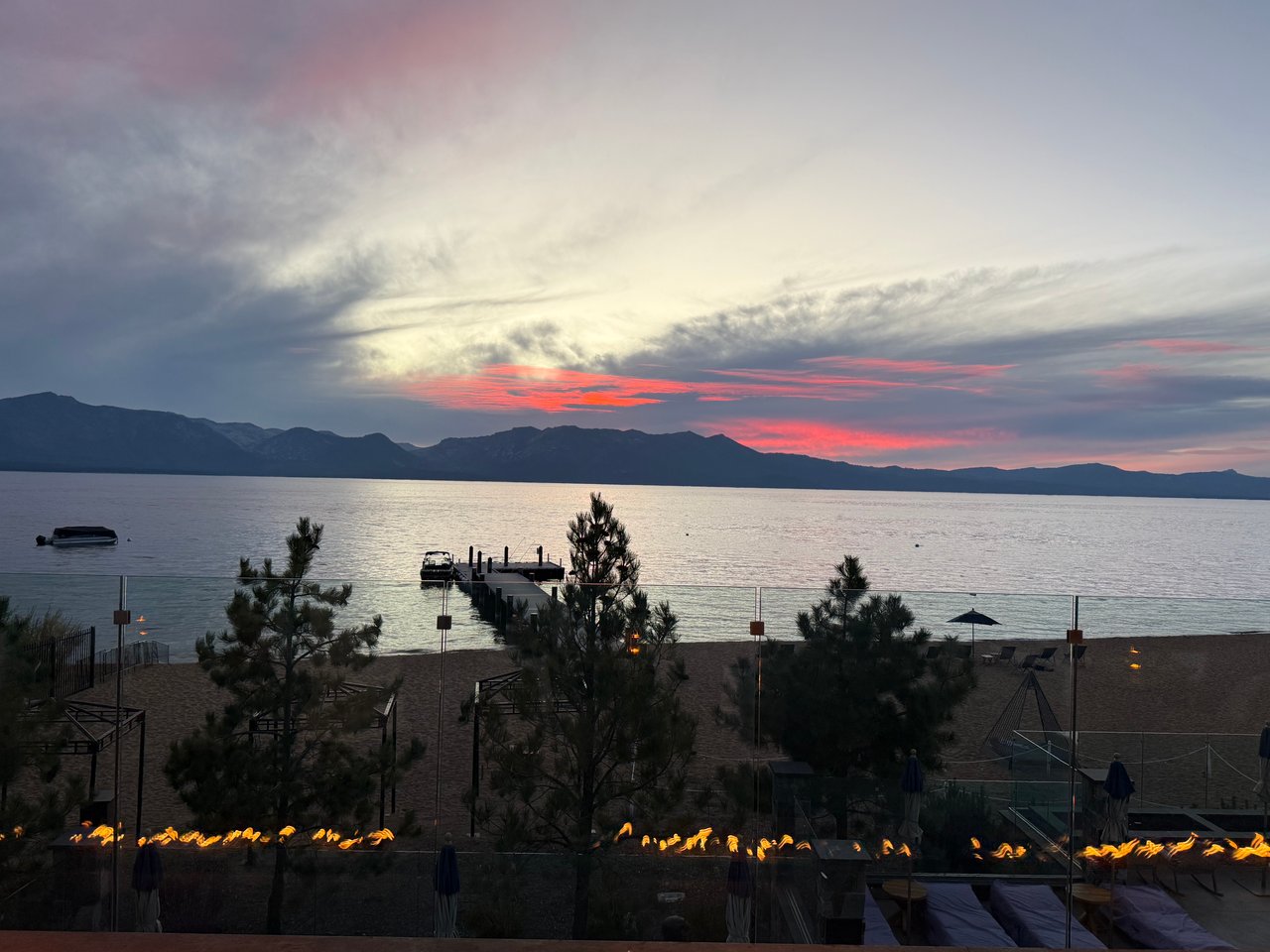
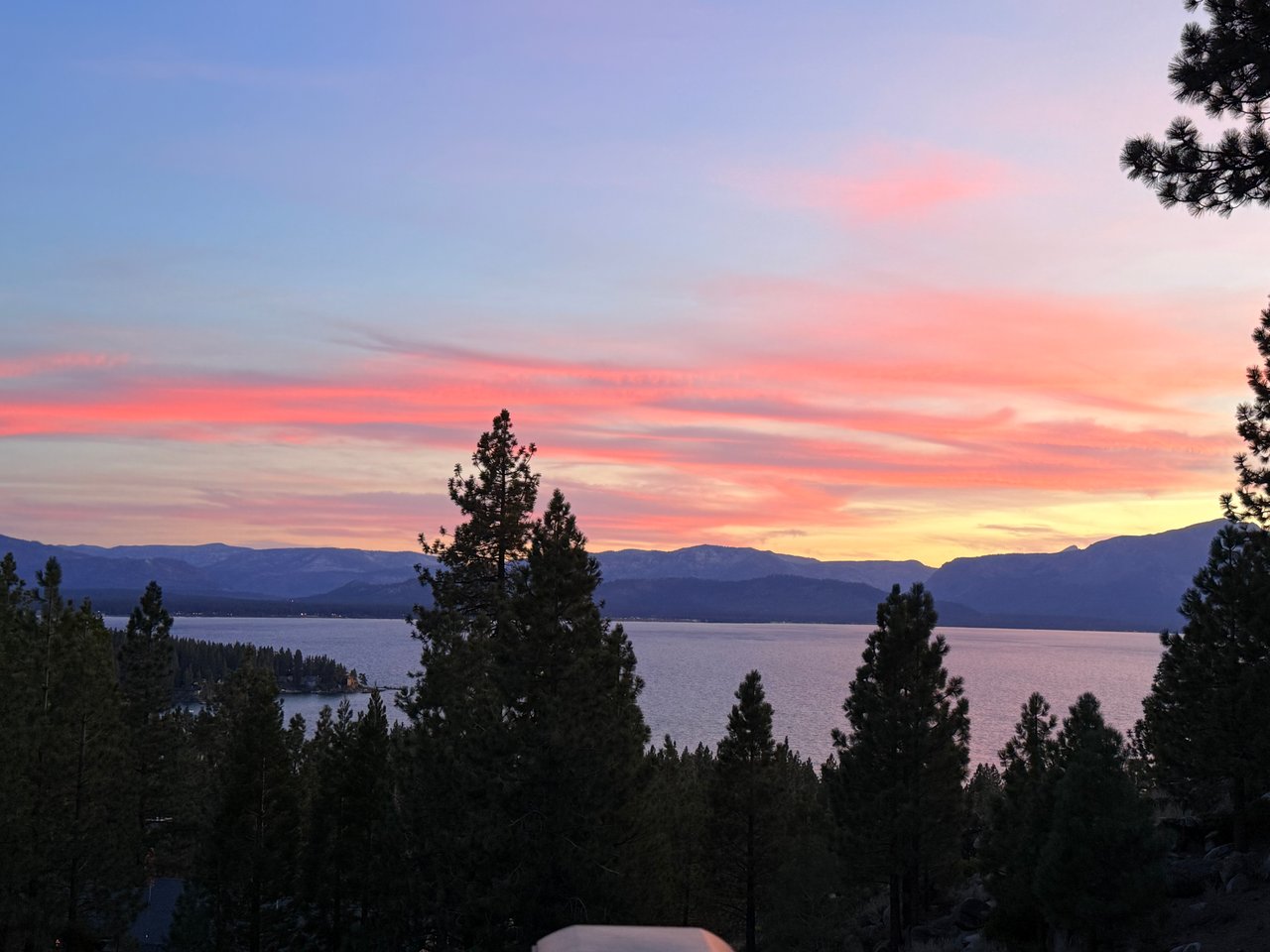
Lakeridge is a small East Shore community in Douglas County along US‑50 with a population of about 400. It is known for private lake access and a homeowners’ pier. Neighborhood marketing often highlights that Lakeridge does not allow vacation rentals. You can see this positioning in local listing descriptions that emphasize privacy and long-term residential feel. Learn more about the area’s setting and size on the Lakeridge, Nevada overview, and see an example of neighborhood marketing on this Lakeridge listing page noting private lake access and no vacation rentals.
Because HOA and CC&R texts were not located in this search, you should verify any no-rental statement before you rely on it. Ask for the recorded CC&Rs and any amendments from the title package or county recorder. Also check the county’s VHR map to confirm whether a parcel has an active permit. The Douglas County VHR program page is your starting point for both.
Where short-term rentals are legal and productive, potential nightly income can be priced into what buyers will pay. Remove that revenue stream and some investor buyers will value the same home differently. Academic research has found that growth in short-term rental listings is associated with modest increases in local rents and home prices in many markets. That helps explain why permitted VHRs sometimes trade at a premium in tourist areas. See a summary of these findings in the UCLA Economics overview on the sharing economy and housing.
Permissive rules attract more investor interest. Caps, density limits, and HOA bans reduce that pressure and shift the buyer pool toward owner-occupiers. In Douglas County’s Tahoe Township, the permit cap and neighborhood density rules make VHRs scarce. That scarcity concentrates investors in less constrained areas and often leaves quieter enclaves like Lakeridge to lifestyle buyers. Fewer investor bidders can change price dynamics and days on market.
Sales comps in a neighborhood with many high-revenue rentals may include STR-driven premiums. In a no-rental area, comps will not include those premiums. Appraisers and lenders consider these patterns. Douglas County’s rule that permits typically do not survive a sale adds another wrinkle. Even if a comp sold with a permit, that operating status may not persist for the next owner, which limits how much weight that premium should carry.
Community groups and basin agencies track noise, parking, and other impacts that can come with guest turnover. Those factors are a common reason HOAs restrict short-term rentals. TRPA’s basin-wide guidance encourages neighborhood compatibility and recognizes that each jurisdiction manages STRs differently around the lake. For context on those considerations, see TRPA’s short-term rental neighborhood compatibility page.
Local policy can change. Douglas County has acted to restrict VHRs in specific areas, and those decisions have held up in court. A recent example is a judge upholding a county action to ban VHRs north of Cave Rock. This illustrates that permit availability is not static and that policy risk is real for investors. You can read a local report on that case in the Record-Courier’s coverage of the Cave Rock VHR ban decision.
In Lakeridge, a no-rental posture shapes value in clear ways. It narrows the buyer pool toward owner-occupiers, removes STR income from the pricing equation, and reinforces a quiet, private neighborhood character. County rules make permits scarce, non-transferable, and sensitive to HOA restrictions, which further reduces investor-driven premiums inside communities that do not allow vacation rentals. If you prize serenity, that can be a feature. If you need nightly income to pencil your purchase, it can be a constraint.
The smartest move is to verify everything early. Pull the recorded CC&Rs, confirm parcel-level permits on the county map, and align your underwriting with the county’s non-transfer rules. If you want help reading the fine print and weighing lifestyle versus income tradeoffs on Tahoe’s East Shore, reach out to Craig Zager for a private consultation.

Get In Touch