Thinking about buying in Kingsbury but not sure whether Upper, Middle, or Lower is right for you? You are not alone. Elevation, road access, housing stock, utilities, and wildfire rules all shift as you move up and down the mountain. In this guide, you will learn what changes between each area, what to verify before you write an offer, and which lifestyle each zone tends to fit best. Let’s dive in.
Map orientation: how Kingsbury is organized
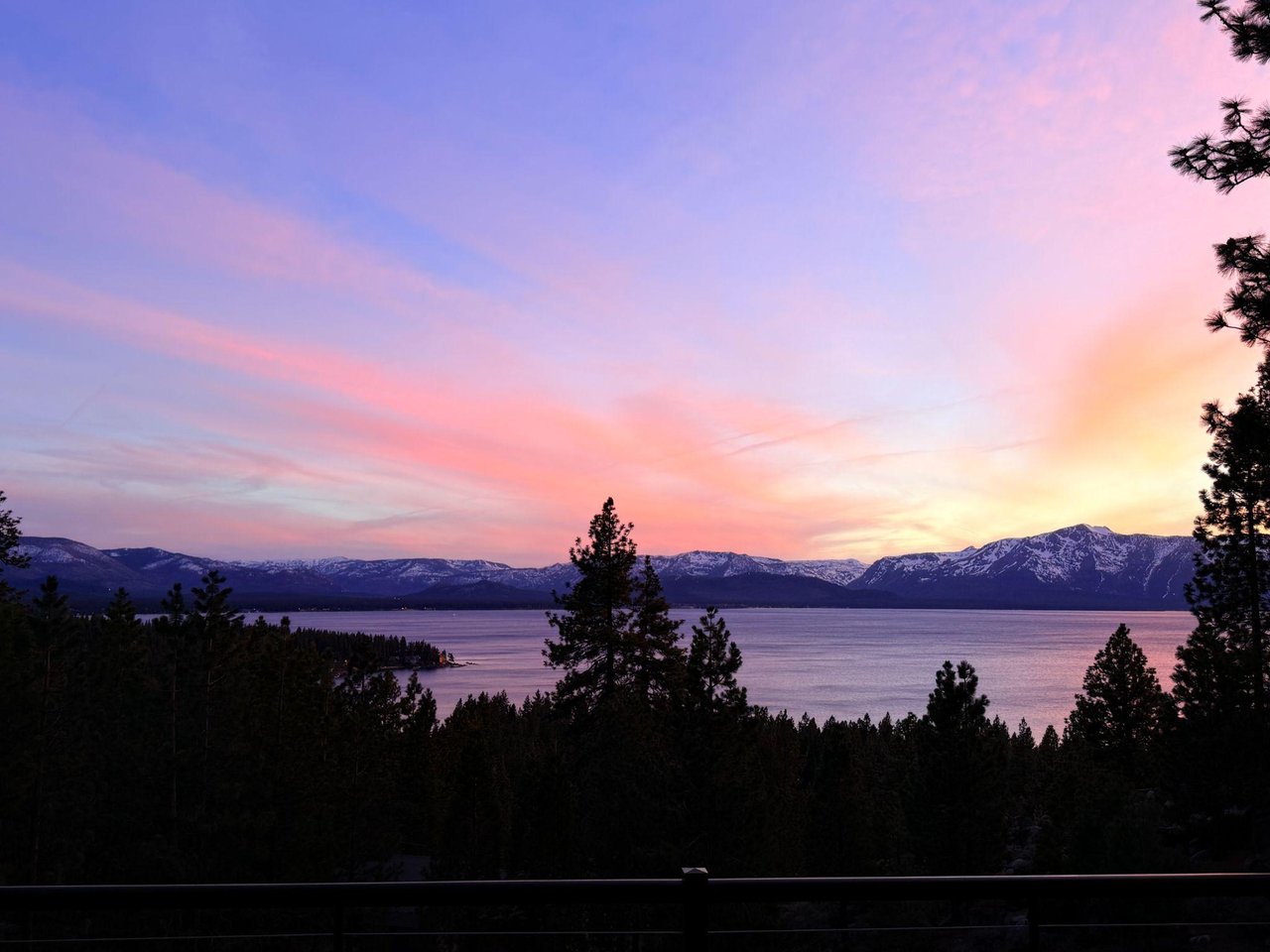
Kingsbury sits on the east shore of Lake Tahoe in Douglas County, Nevada. Locals often use “Upper,” “Middle,” and “Lower” Kingsbury as practical labels, not strict legal boundaries. That means two nearby streets can feel very different in elevation, slope, and access.
Before you tour, pull up county parcel maps and look at elevation, road type, and driveway approaches for specific addresses. Treat the Upper/Middle/Lower labels as a starting point, then confirm the details for the property you are considering.
Side-by-side snapshot
Lower Kingsbury: closest to Stateline
- Access and lifestyle: Lower elevation, faster access to Stateline/South Lake Tahoe services and resort corridors, including dining and shopping.
- Housing patterns: More amenity-oriented homes and some denser development near resort routes; condominiums and short-stay-friendly options are more common.
- Winter and terrain: Gentler access compared to higher elevations, but still plan for snow events.
- Who it fits: Buyers who want quick access to amenities and potential short-term rental appeal, subject to current rules.
Middle Kingsbury: balanced and convenient
- Access and lifestyle: A transitional band that balances quicker access with quieter neighborhood streets.
- Housing patterns: A mix of older and newer single-family homes, with some duplex or townhouse pockets and mid-sized lots.
- Winter and terrain: Moderate elevations with community roads and established infrastructure.
- Who it fits: Buyers who want a middle ground between convenience and privacy.
Upper Kingsbury: elevated and tranquil
- Access and lifestyle: Higher elevation, steeper and more forested lots, and a quieter, more remote feel.
- Housing patterns: Cabins and older mountain homes are common, along with wooded parcels. Terrain can limit buildable area.
- Winter and terrain: Steeper access, longer driveways, and greater exposure to winter conditions. Snow management is a must.
- Who it fits: Buyers who value privacy, nature immersion, and are comfortable with winter logistics.
Elevation and access: what changes as you go up
Elevation affects your day-to-day life. Driveway grades, parking options, and the likelihood you will want a 4WD vehicle rise with elevation. In Upper Kingsbury, you can encounter steeper roads and longer driveways that require regular plowing in heavy snow winters.
Commute times can swing with weather. Even within the same neighborhood band, conditions vary by street and slope. Confirm winter road maintenance responsibility and plow schedules for the exact address before you commit.
Housing stock and lot realities
Kingsbury housing spans classic cabins to newer single-family homes and some townhome or condo clusters near resort corridors. Older mountain homes can require upgrades for insulation, roofing, and snow-load design, especially at higher elevations. On steeper lots, foundations, drainage, and hillside stability deserve extra attention.
Remodeling and new work in the Lake Tahoe Basin often triggers regional environmental rules. In Kingsbury, properties may be subject to Tahoe Regional Planning Agency oversight that limits total land coverage and governs vegetation, tree removal, and erosion control. Plan your scope with permits in mind and verify what is allowed for the parcel.
Utilities and services: parcel-by-parcel differences
Not every home in Kingsbury has the same water or sewer setup. Some connect to public systems, while others rely on private wells or community water and septic systems. Connection status can vary even between neighboring streets.
Before you write an offer, confirm the water source, sewer or septic details, any transfer fees, and maintenance obligations. Also verify electric service, typical outage history, and whether broadband or cell coverage meets your needs, especially in Upper Kingsbury where signal can be weaker.
Hazards, insurance, and compliance
Kingsbury sits in a wildfire-prone mountain environment. Dense forest cover and steeper access increase risk, which can affect insurance availability and premium levels. Obtain insurance quotes early and ask about defensible space and mitigation credits.
Snow is part of life at Tahoe. Plan for roof snow-loads, ice dam prevention, and driveway plowing. On steeper sites, review any history of slope remediation or drainage work. If a parcel lies near streams or drainages, check flood mapping and request any prior geotechnical reports from the seller.
TRPA rules and Douglas County codes govern many projects. Coverage limits, grading, and vegetation management can shape your renovation options. Build time into your schedule to confirm permitting and compliance.
Market approach: how to value each band
Lake Tahoe area properties generally command premiums over inland Douglas County due to lake proximity and resort amenities. Within Kingsbury, Lower locations can draw strong interest for quick access and rental-friendly layouts, while Upper locations often appeal to buyers seeking privacy and scenery. Middle areas provide a balanced mix.
Values shift with seasonality, inventory, and regulation changes. Rely on current, hyper-local comps from the MLS and a tailored market analysis that accounts for elevation, road access, lot slope, and utility differences.
Lifestyle and amenities
- Lower Kingsbury: Easiest reach to groceries, restaurants, casinos, and ski-lift corridors in the Stateline/South Lake Tahoe area.
- Middle Kingsbury: Quieter neighborhood feel with reasonable drive times to services and recreation.
- Upper Kingsbury: A serene, forested setting that trades longer drives for extra privacy and nature.
Buyer due diligence checklist
Use this quick list during your search and escrow:
- Confirm the exact neighborhood designation and parcel boundaries. Use county parcel mapping to understand elevation and driveway approach.
- Verify road maintenance responsibility, including winter plowing for county versus private or HOA roads.
- Determine water source and obtain well permits and water test results if applicable.
- Confirm sewer connection status or septic type, age, maintenance history, and any transfer or inspection requirements.
- Pull building permit history and check for unpermitted work and certificate of occupancy.
- Review TRPA coverage units and any environmental restrictions that could limit remodeling or tree work.
- Obtain wildfire mitigation guidance and early insurance quotes. Ask about defensible space requirements and credits.
- Check FEMA flood mapping, any slope stability notes, and request prior geotechnical reports if available.
- Review HOA documents, budgets, reserves, and rental policies if the property is in an association.
- Confirm short-term rental registration requirements, taxes, and whether a current permit exists if you plan to host guests.
- Verify internet and cell service providers and speeds at the address.
Two buyer scenarios: what to check first
If you want short-term rental potential
- Verify current STR rules, registration steps, local taxes, and any caps or moratoria.
- Confirm sewer connection or plan for septic inspections and maintenance responsibilities.
- Validate parking and access during winter for guest safety and compliance.
- Review HOA or CC&Rs for rental restrictions and minimum stay requirements.
- Obtain accurate operating pro formas based on local comps and seasonality from current MLS data.
If you want a year-round primary home
- Confirm commute times and winter road maintenance on your daily route.
- Check broadband and cell coverage for remote work needs.
- Review roof, insulation, and snow-load design to manage winter performance.
- Verify water and sewer status, including any transfer fees or required upgrades.
- Evaluate wildfire mitigation work completed and plan next steps for defensible space.
Where to verify key details
When you are serious about a property, go straight to the source for parcel-specific answers:
Plan your next move
Choosing between Upper, Middle, and Lower Kingsbury comes down to how you plan to use the home, how comfortable you are with winter logistics, and what you value most: access, balance, or privacy. Conditions and rules change, and parcel-level differences matter. Always confirm details through Douglas County records, TRPA, and current MLS data before you submit an offer.
If you want a local, concierge-style process that aligns your lifestyle with the right Kingsbury address, reach out to Craig Zager for a private East Shore consultation.
FAQs
What is the practical difference between Upper, Middle, and Lower Kingsbury?
- Upper is higher and quieter with steeper terrain, Middle balances access and neighborhood feel, and Lower offers the quickest reach to Stateline and resort amenities.
How do I confirm if a Kingsbury home is on sewer or septic?
- Ask for the septic permit and maintenance history, then verify connection or system type through county records during due diligence.
How does winter affect living in Upper, Middle, and Lower Kingsbury?
- Higher elevations often need more frequent plowing and may benefit from 4WD, while lower areas have easier access but still require snow readiness.
What should I know about remodeling under Tahoe rules?
- TRPA and county regulations can limit land coverage and vegetation removal, so confirm permit requirements and coverage units before planning work.
Are short-term rentals allowed in Kingsbury neighborhoods?
- Short-term rentals are regulated at multiple levels, so confirm current county registration, any neighborhood rules, and local tax obligations before you buy.